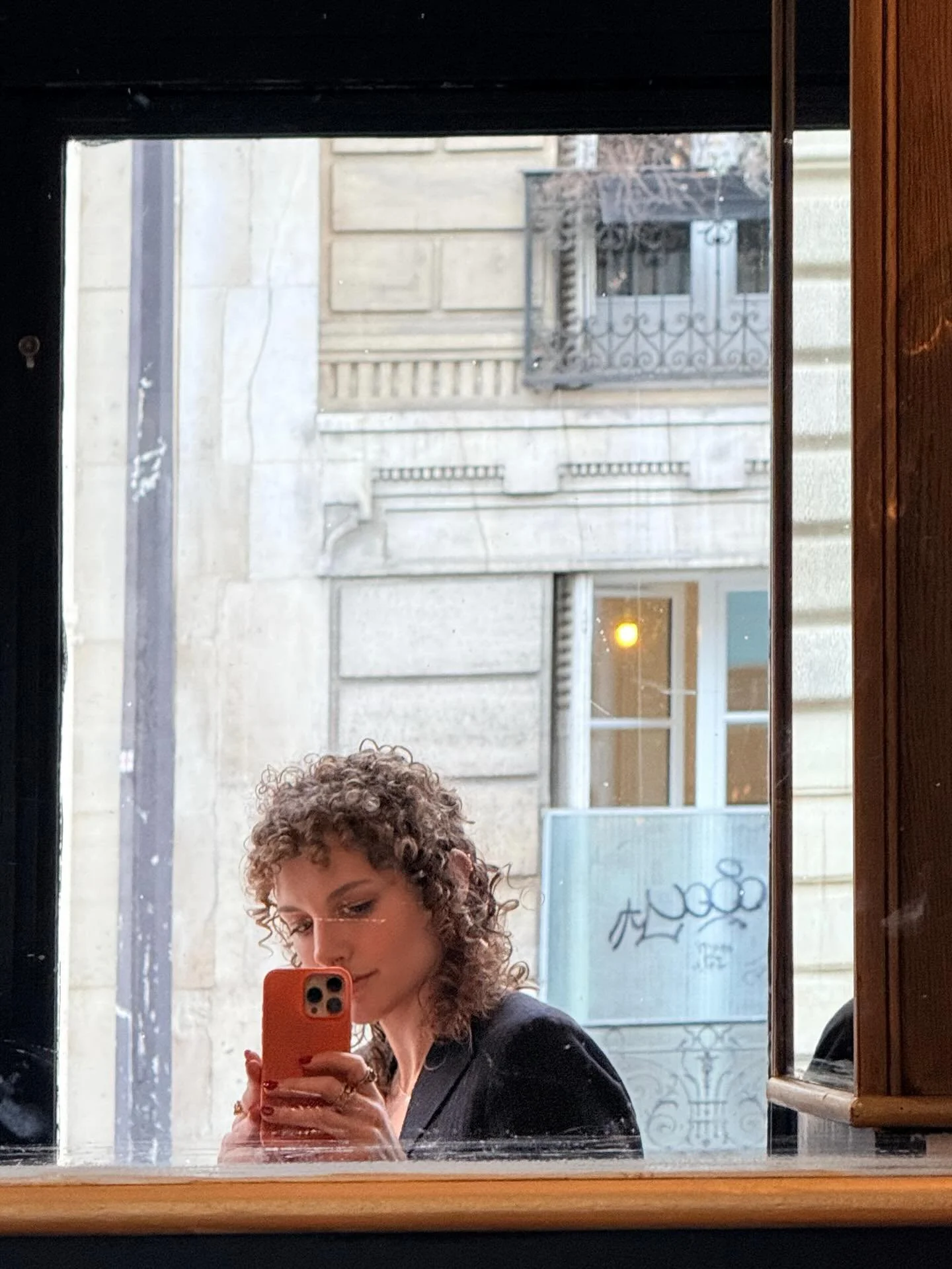
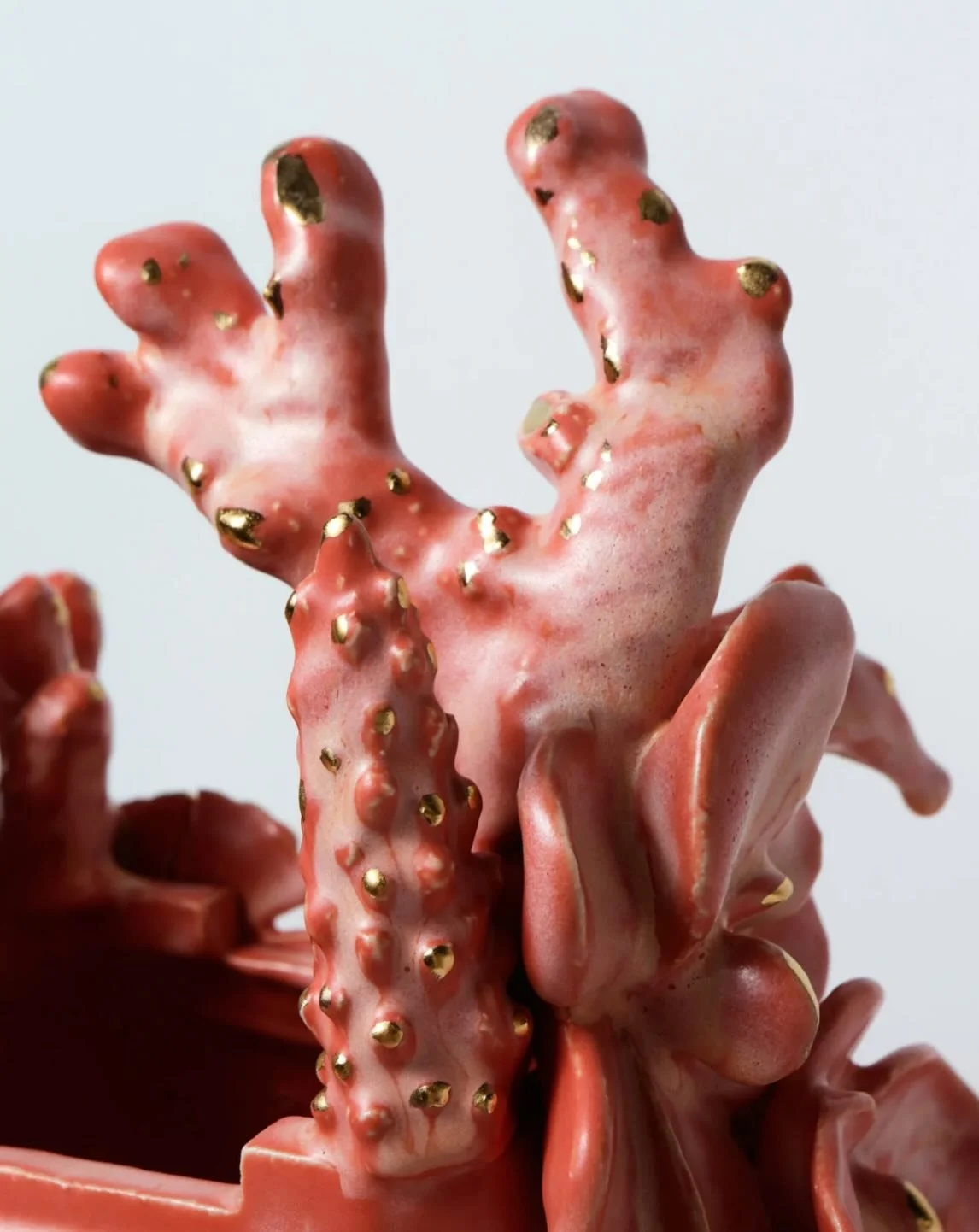
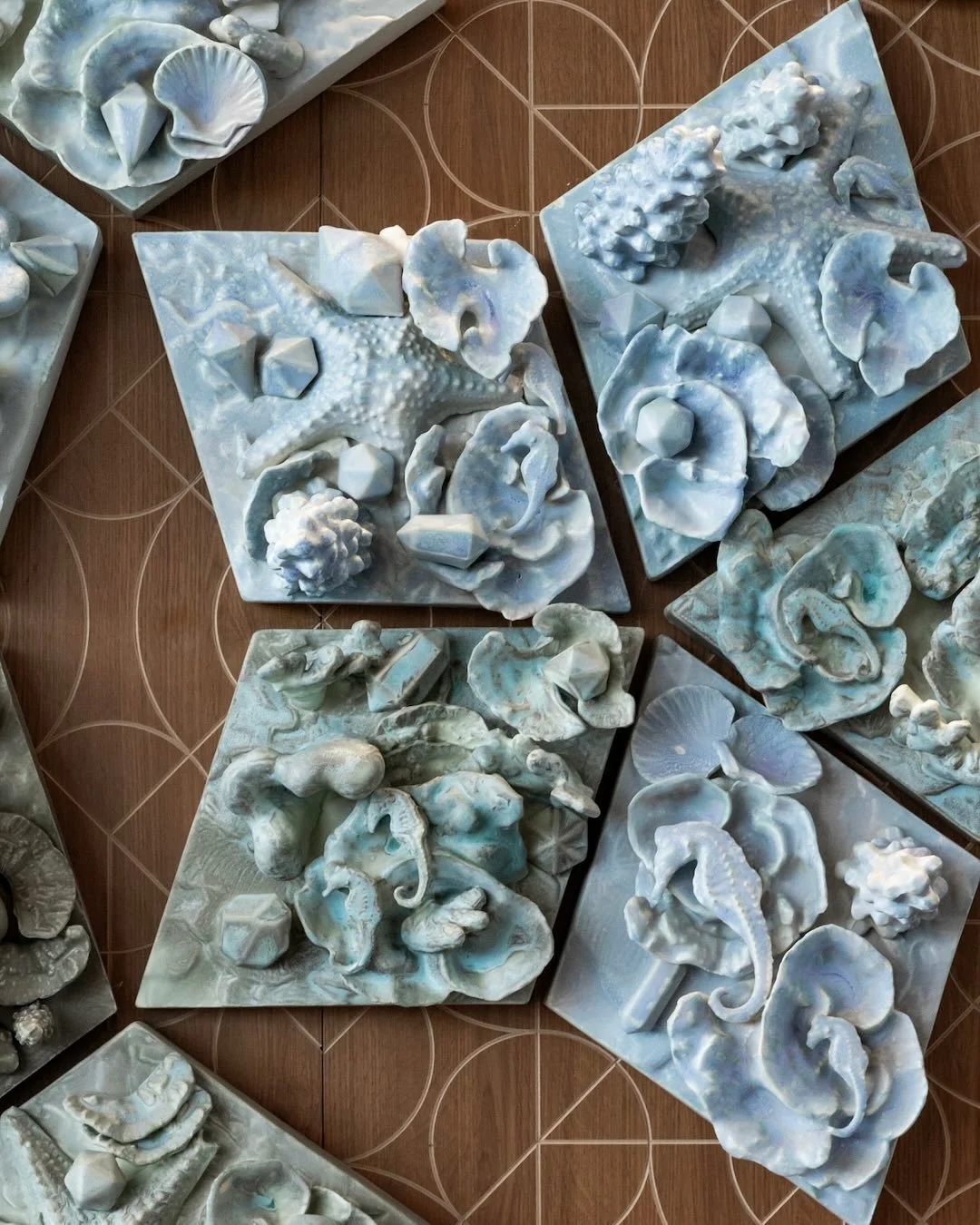
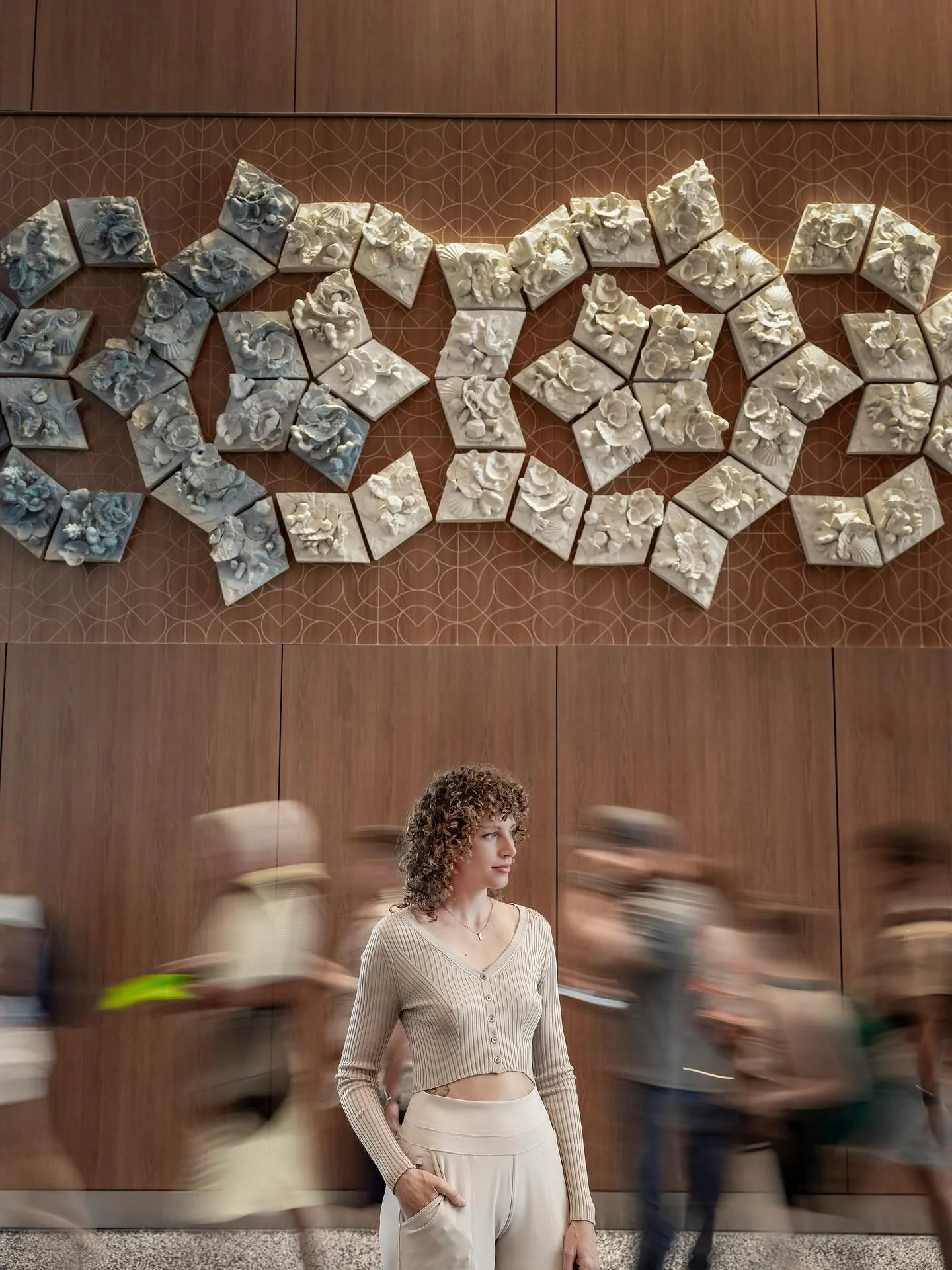
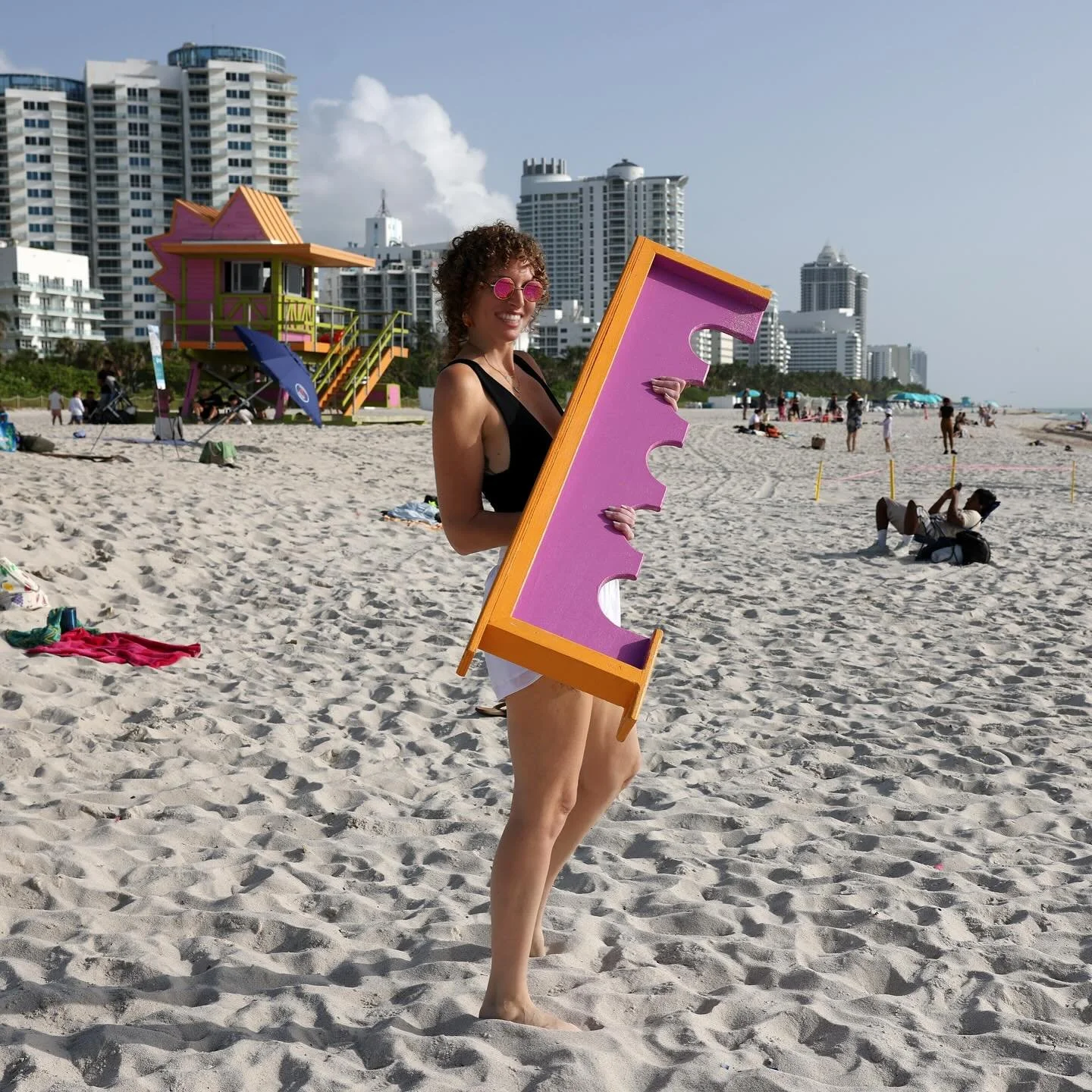
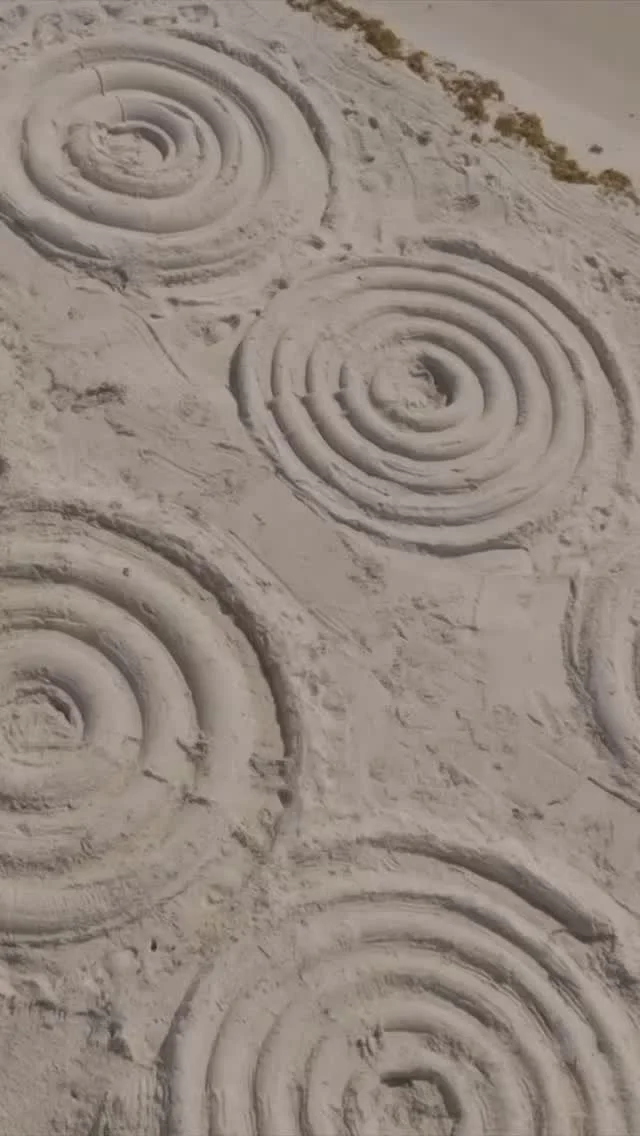
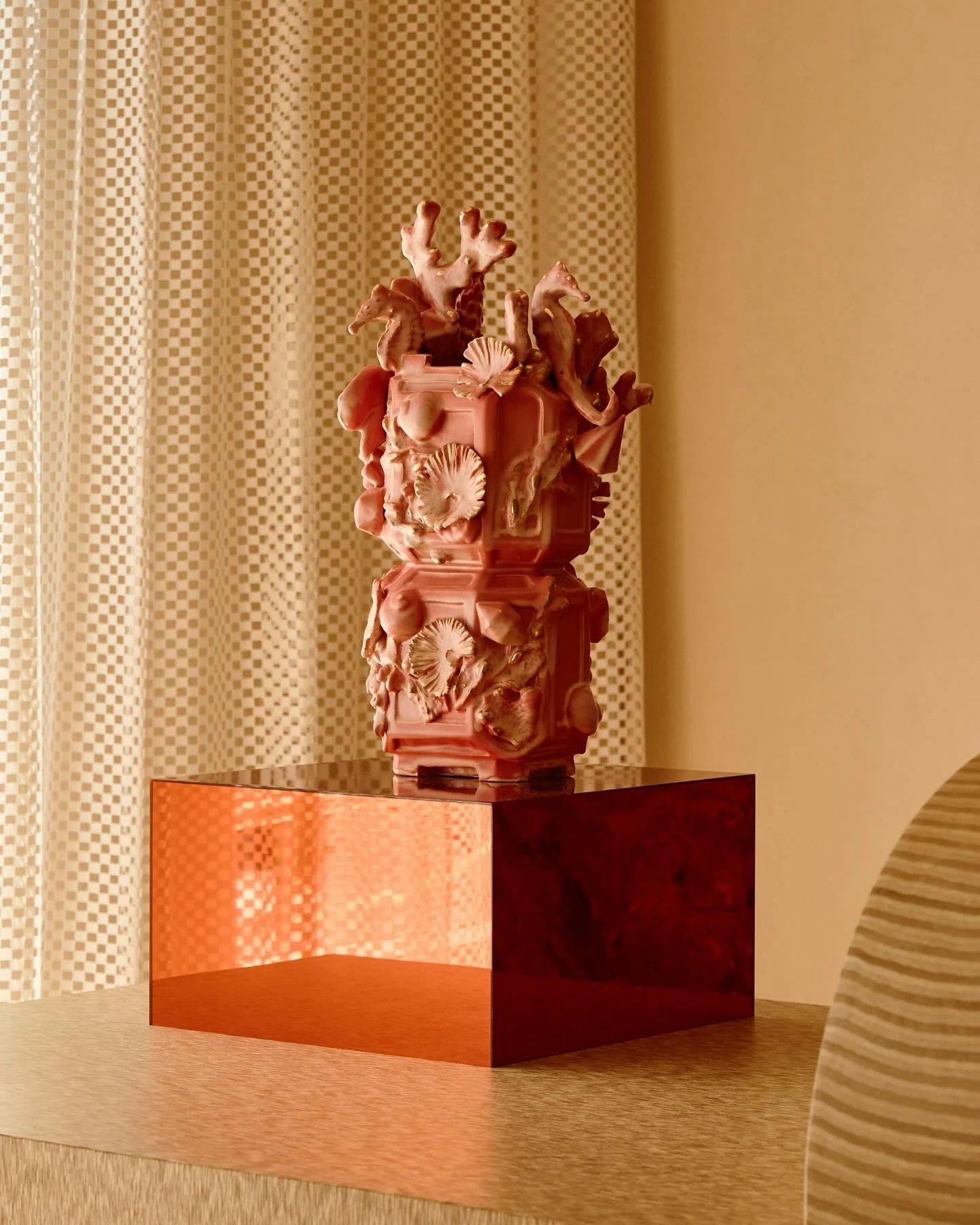
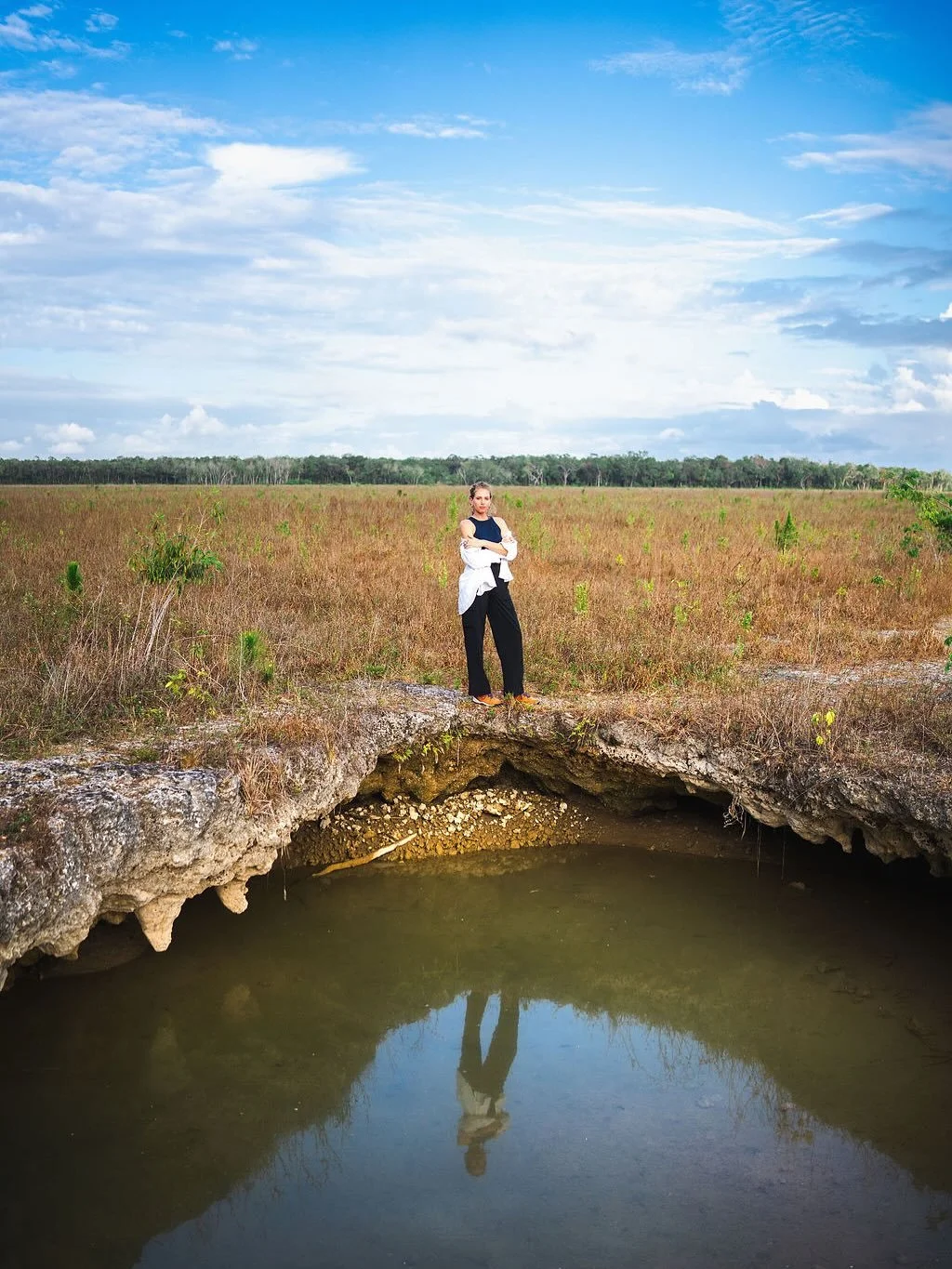
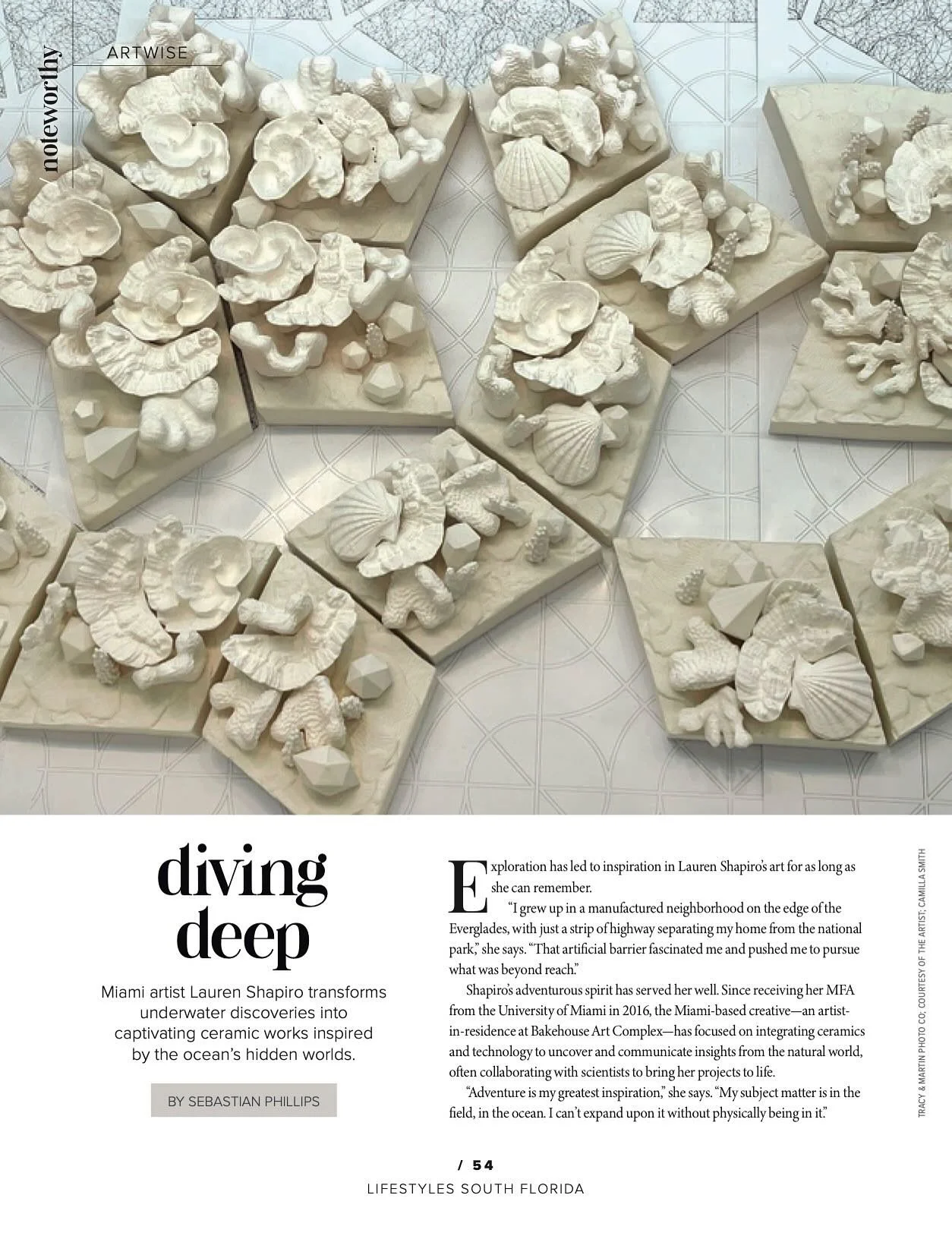
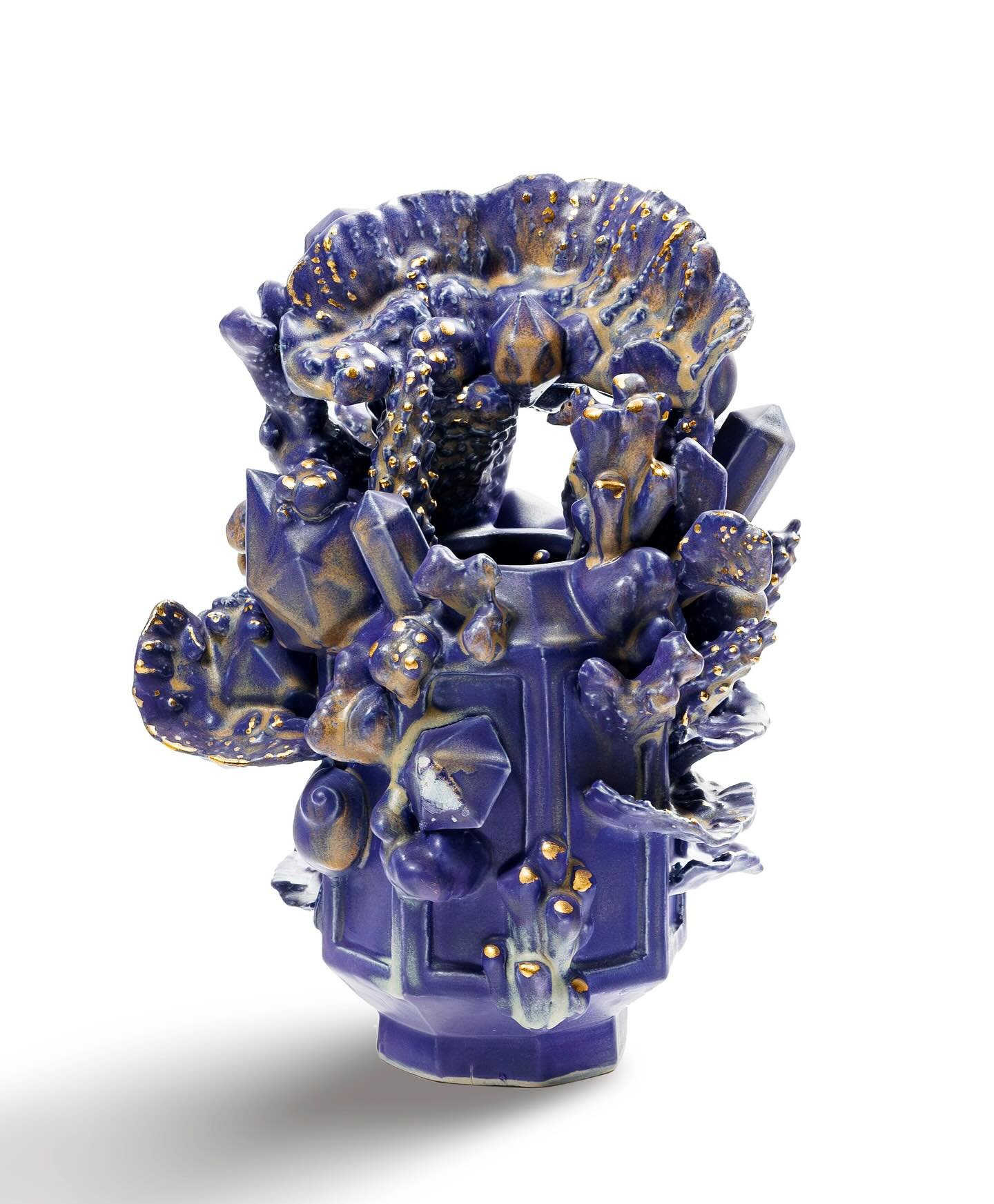
Lauren Shapiro creates sculptural forms ranging from vessels and reliefs to large-scale public art installations. Her practice draws from original fieldwork and site-specific studies, blending organic textures with geometric and architectural motifs. Through collaborations with scientists, and by combining digital tools with traditional hand-built methods, Shapiro creates works that reflect nature’s fragility and human history—serving as both artworks and archives.
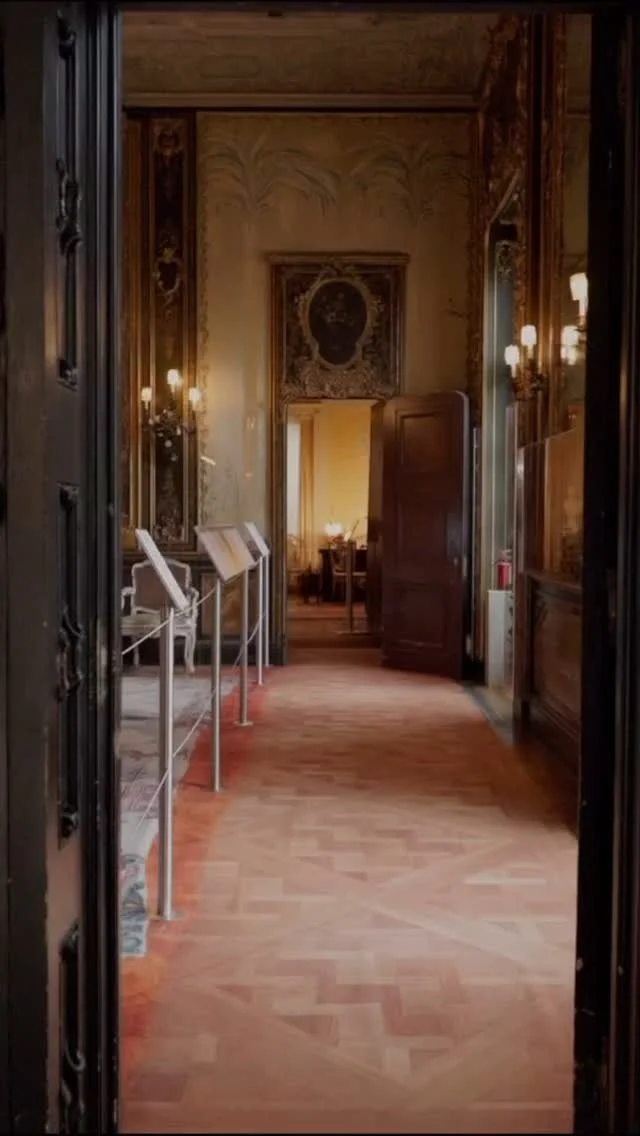
Select solo exhibitions include Pastiche (2024) at Vizcaya Museum and Gardens, Miami; Garden Portals (2021) at Fairchild Tropical Botanic Garden, Miami; Future Pacific (2020) at Bakehouse Art Complex, Miami; and Fragile Terrains (2018) at Bianca Boekel Galeria, São Paulo, Brazil. Select group exhibitions include Intricate Oceans: Coral in Contemporary Art (2023) at Coastal Discovery Museum, Hilton Head Island, South Carolina; DesignMiami (2021) with Todd Merrill Studio; and Projektraum M54 (2017) in Basel, Switzerland.
Her work is collected by the Soho House Art Collection and the Jorge M. Perez Collection, among others.
Artist Statement
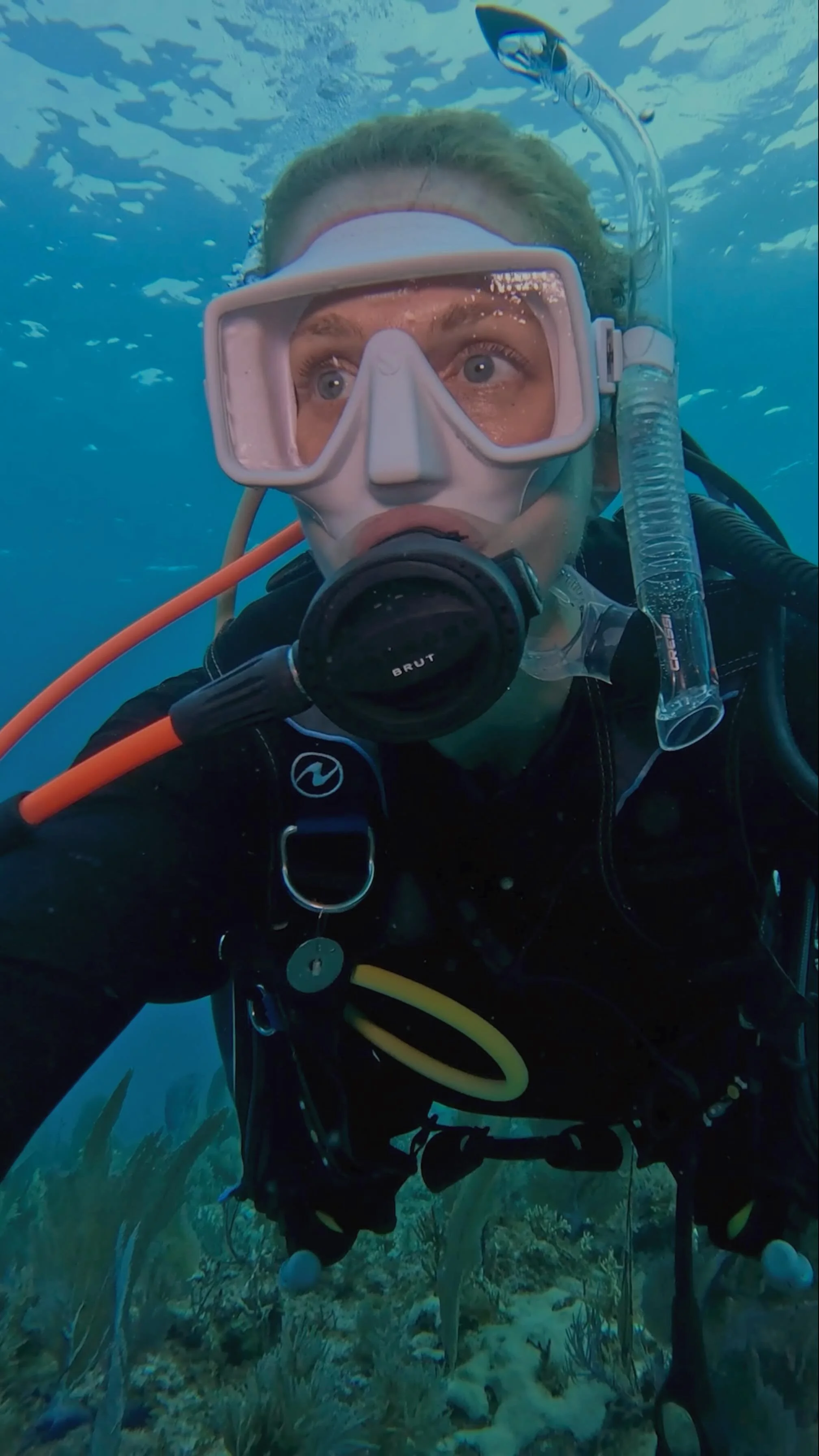
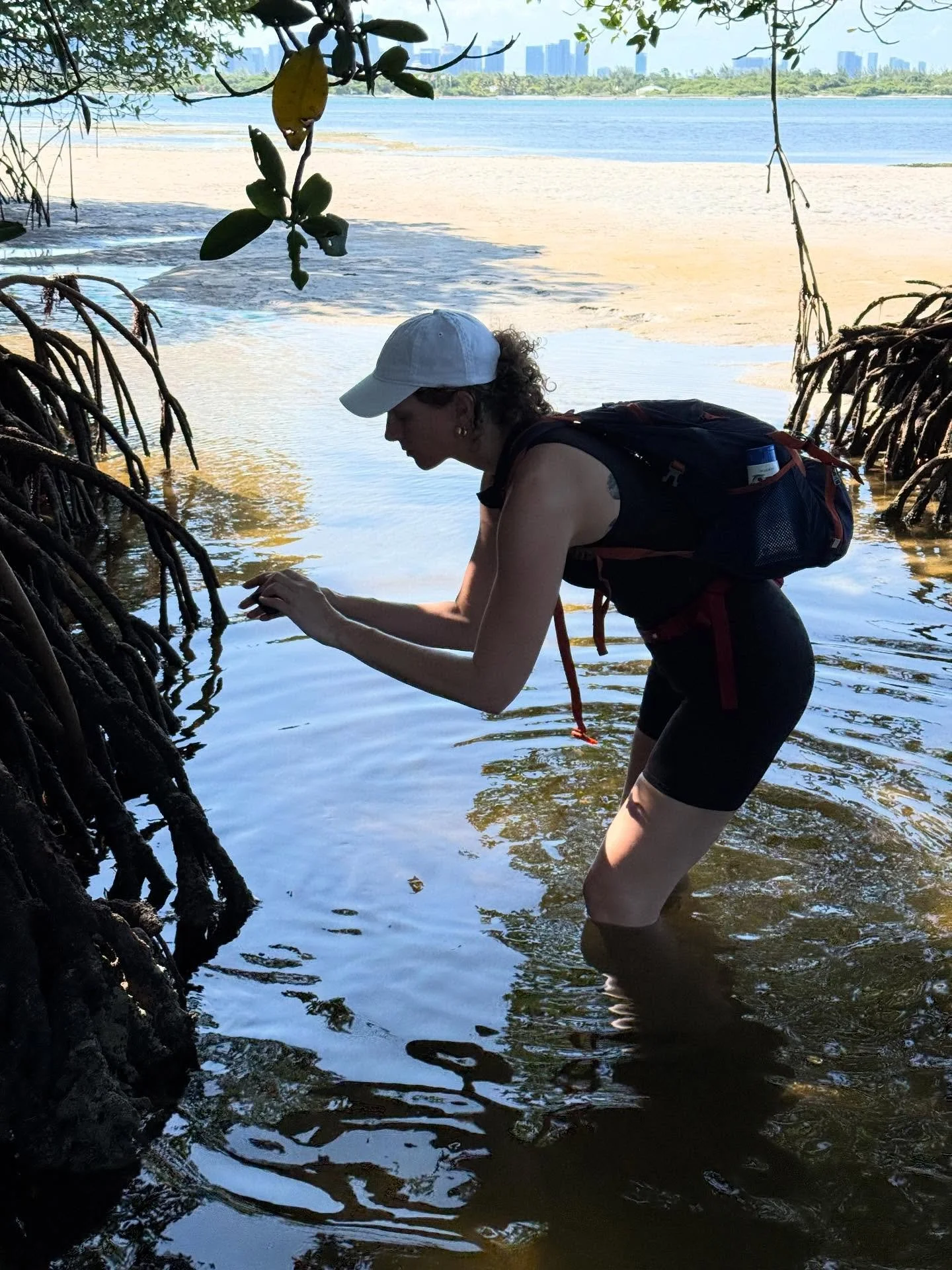
My practice investigates the relationships between nature, architecture, and time through large-scale ceramic sculpture and site-specific installation. Drawing on coral reefs, ecological data, and botanical systems, I translate environmental research into tactile, immersive artworks—ranging from vessel-based forms to digitally modeled reliefs and monumental public commissions.
Working at the intersection of traditional craftsmanship and emerging technologies, I blend hand-built ceramics with 3D scanning, CNC carving, and mold-making to evoke organic textures and sacred geometries found in natural systems. These hybrid forms act as contemporary reliquaries—preserving fragile ecological narratives and prompting reflection on human impact and environmental change.
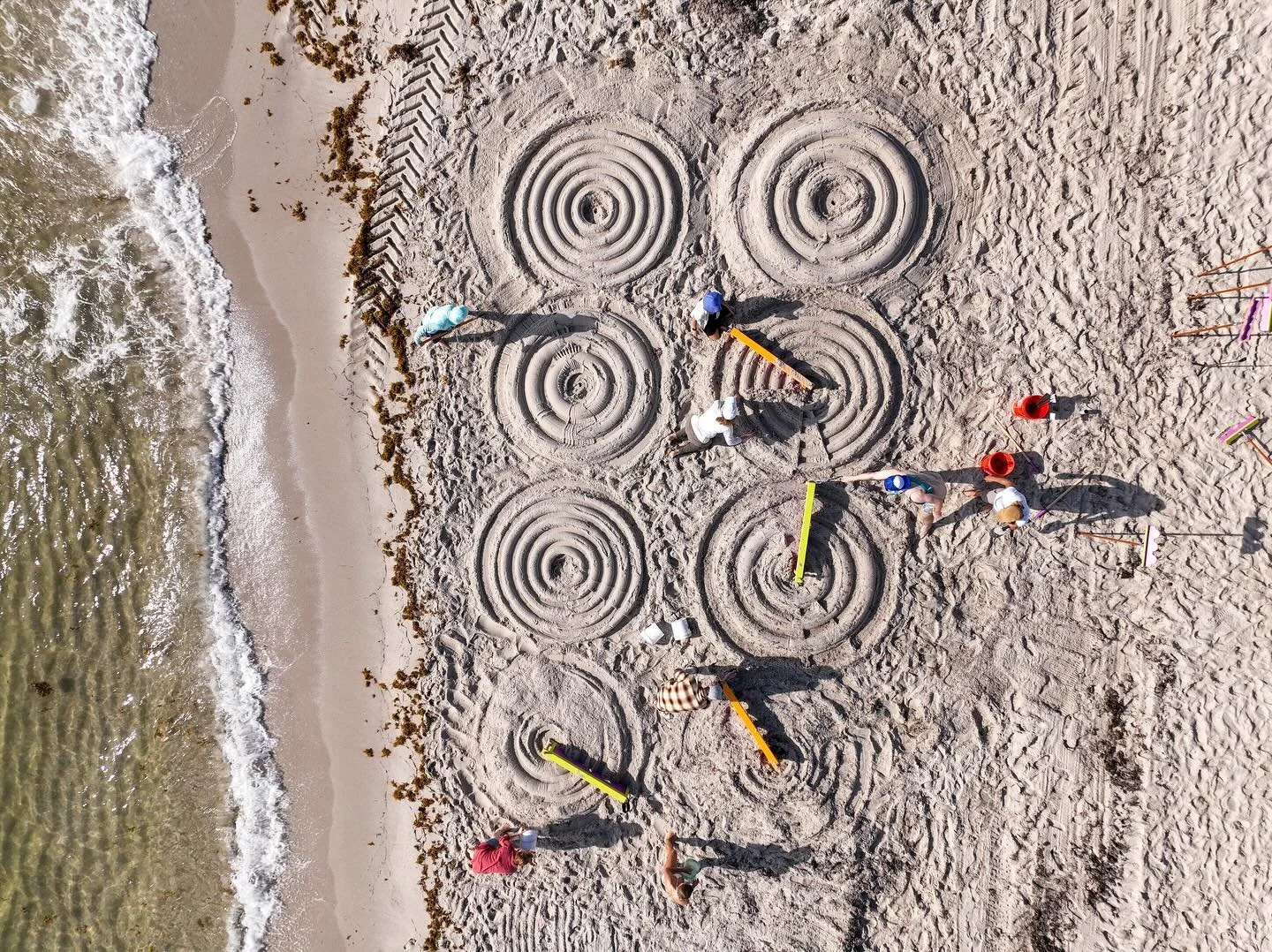
While grounded in solo studio practice, my work also invites collaboration: I often engage communities through participatory events and educational programming, allowing the public to imprint clay forms that become part of larger sculptural ecosystems. These moments of civic engagement extend the meaning of the work beyond object-making, creating space for shared stewardship, material memory, and ecological awareness.